-
Industry Facts
Whaling in Iceland is carried out by a very small industry, primarily one company (Hvalur hf.), and public opinion in Iceland has increasingly shifted against the practice.
2 companies hold licences for 5+ years. One for Fin whale hunting and other for Minke whaling with the combined quota up to 400 whales.
Industry created more loss than profit. Based on data from the annual accounts of Hval hf. Between 2012 and 2020, the company's losses from whaling amounted to 3 billion ISK.
Iceland is the only country in Europe that hunts Fin whale. IUCN has recently moved Fin Whale status from Endangered to Vulnerable based on abundance survey done by NAMCO.
Controversy surrounds the status in IUCN. Since NAMMCO is a Pro-Whaling body, research bodies connected to whaling states may have incentives to produce data supporting sustainable hunting. In the past, Japan was the biggest consumer of Icelandic whale meat through importation, but this trade has ceased because Japan has a whale meat stockpile due to lack of local appetite. It has also expanded its own whaling.
Almost all the meat from the hunt of fin whales is being sent to Japan. Japan has been the biggest consumer of Icelandic whale meat through importation, however this trade has ceased because Japan has a whale meat stockpile due to lack of local appetite. It has also expanded its own whaling.
No market.The stock from the last while hunt in 2023 is still in freezers and has not been sold.
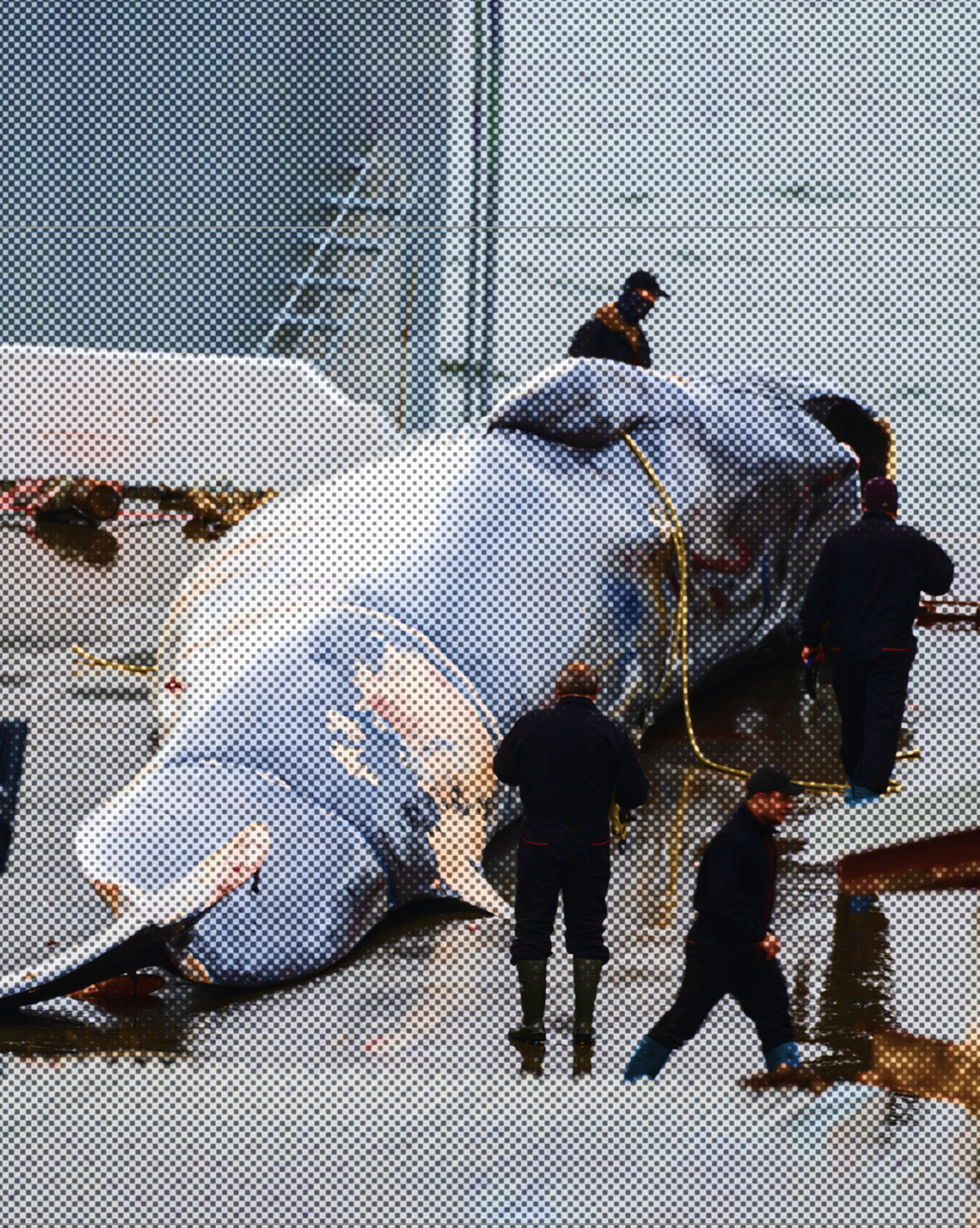
Since re-joining the IWC, Iceland has killed more than 1,500 whales, including endangered fin whales. In 2018, among the 146 fin whales Iceland killed was a pregnant female and a rare fin-blue hybrid whale;
Political Facts
A political dilemma now exists: despite the planned ban, existing permits allow another hunting season to begin beforehand, meaning whales could be killed in the months immediately preceding the proposed legislative end.
Whaling is against Animal welfare act of Iceland.The Icelandic Council on Animal Welfare has concluded that the fishing method used to catch large whales does not comply with the provisions of Act No. 55/2013 on Animal Welfare. It is not possible to meet the conditions necessary to ensure the welfare of animals during killing.
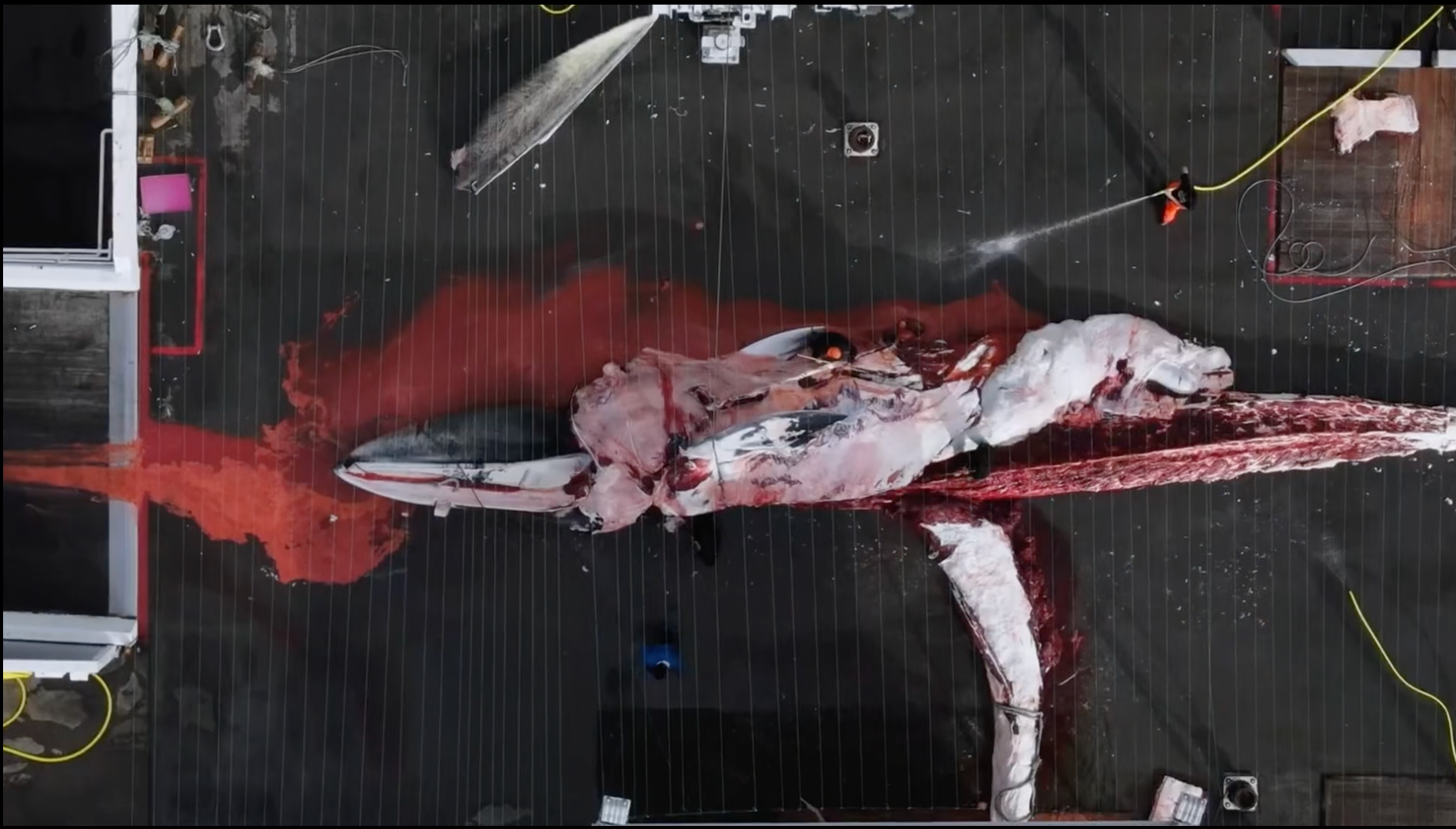
In 2023 also a damning report by the Icelandic Food and Veterinary Authority concluded that commercial whaling is inconsistent with the country’s animal welfare law. Its observation of whale killing footage taken onboard revealed that 41% of whales took on average 11.5 minutes before dying, while some took up to two hours to die, in contravention of the Animal Welfare Act. More than one quarter of the whales were harpooned twice before eventually dying. The report also showed that most whales killed (73%) were female, 11 of whom were pregnant and one lactating, meaning her dependent calf will have perished at sea without her.
The current minister has publicly announced her intention to introduce legislation to ban commercial whaling in autumn.
Controversy surrounds the issuance of the current whaling licences. Investigative reporting revealed a secret recording suggesting alleged political deal-making connected to the granting of whaling permits to industry actors with political ties.
Legal accountability mechanisms are contested. Environmental organisations attempted to challenge the legality of the permits through the parliamentary ombudsman, but their complaint was dismissed, raising concerns about effective access to justice under the Aarhus Convention.
Icelandic organization have filled a complaint toUnited Nations Special Rapporteurs requesting an investigation into potential human rights violations linked to commercial whaling in Iceland. Alleged Human Rights violations by whaling in Iceland.
TheEuropean commission was questioned from an MEP regarding the legality of Whaling and the prosecution of environmental protest. In their answer, European Commission expresses concern over prosecution of whale-hunt protesters while reaffirming opposition to commercial whaling.
A political dilemma now exists: despite the planned ban, existing permits allow another hunting season to begin beforehand, meaning whales could be killed in the months immediately preceding the proposed legislative end.
International scrutiny is growing. The situation has been raised with UN Special Rapporteurs and has also reached the European Union through a parliamentary question asking the European Commission to clarify the implications for environmental governance and access to justice.
More than a hundred International Organisations have signed on a letter to Iceland pledging to end whaling based on the Scientific data regarding the importance of Baleen Whales.
Social Facts
Icelandic people do not consume whale meat (less than 2% of the consumption comes from Icelandic people. 98% goes to tourists). Whale is not a traditional dish. It is a tourist trap and the whale meat is Minke imported from Norway.
Recent polling in 2025 indicates that majority of Icelanders are dissatisfied with the whale hunting permits issued by the caretaker government.
Iceland was the first country to ban whaling in 1886. Promoted by United States, it was started after world war II.
All Icelandic organisations have collectively signed on a letter to the government to Ban whaling.
Civil society mobilisation is significant inside Iceland. Campaigns such as For the Love of Iceland invite citizens and international supporters to pledge support for ending whaling and protecting the country’s reputation as a place committed to ocean stewardship.
Press release
-
Press release -
THE FIGHT CONTINUES
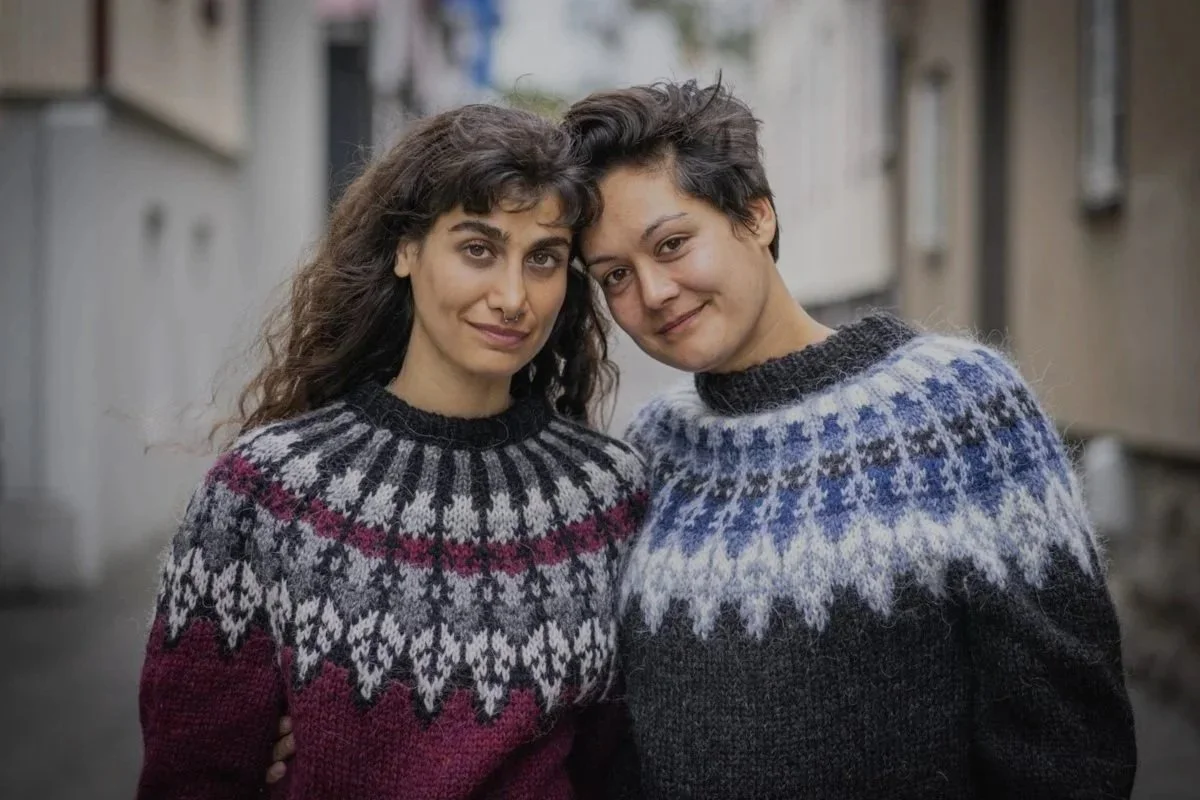
On 16 Jan 2026 Anahita Babaei and Elissa Phillips have found guilty for their attempt to stop the hunt.
Iceland court verdict increases pressure on government to prevent whaling this season Reykjavík Following yesterday’s court verdict, attention now shifts from the courtroom to the Icelandic government. With only weeks remaining before the whaling season preparations begin, the Minister of Food, Agriculture and Fisheries holds the authority to prevent whales from being killed while new legislation on whaling is already expected later this year.
Allowing hunting to proceed now would result in irreversible harm during a period of legal transition. Once whales are killed, no future law can undo that decision. A temporary suspension for this season would simply preserve the status quo until Parliament completes its legislative process. The government has already acknowledged the need to revisit whaling policy. The only question remaining is whether whales will be killed before that democratic decision is made.
Preparations by the whaling company, including hiring seasonal workers, are expected to begin in March. After that point, stopping the hunt becomes significantly more difficult politically and administratively.
The fight to end Icelandic whaling
-
The fight to end Icelandic whaling -
Current Situation
Iceland has announced that the current hunting methods violate its own animal-welfare standards.
The minister has publicly stated the practice is against public interest and intends to ban it. Yet before that change takes effect, authorities still permit the hunt to proceed.
At the same time, peaceful ocean defenders who attempted to prevent documented suffering are being prosecuted in court — while the legality and proportionality of punishing such intervention is under appeal. So the situation now is this:
A state acknowledges harm, plans to stop it in the future, but allows it in the present and criminalises those who act according to the same reasoning.
This turns a wildlife management issue into a rule-of-law question. If a government may continue a contested practice while its own standards, international obligations, and judicial review are unresolved, then accountability exists only after irreversible damage is done.
Whales cannot be compensated later. Courts cannot restore a hunted population. And democratic systems lose legitimacy when conscience is punished faster than harm is prevented.
For that reason, the question is no longer whether countries agree with whaling. The question is whether irreversible actions should proceed while the legal and ethical legitimacy of opposing them is still under examination. This is not a domestic controversy. It concerns international commitments, environmental governance, and the protection of peaceful civic participation.
The lowest-risk decision, legally, diplomatically, and ethically, is simple:
Ban Whaling!
Read more…